
Introduction
If you’ve ever created a website, started a blog, launched an online store, or managed digital marketing campaigns, you’ve probably heard the term keyword research. Yet many business owners and content creators still underestimate its importance.
Keyword research is the foundation of successful Search Engine Optimization (SEO). Without it, even the best-written content may never reach the audience it deserves. On the other hand, content built around the right keywords can generate consistent traffic, attract qualified leads, and increase conversions for months or even years.
Think of keyword research as a bridge between what people are searching for and the content you create. It helps you understand your audience’s needs, questions, problems, and interests. By targeting the words and phrases people actually use in search engines, you can create content that matches their intent and increases your visibility online.
In this comprehensive guide, you’ll learn what keyword research is, why it matters, how it works, and the best practices for finding profitable keywords that drive real results.
What Is Keyword Research?
Keyword research is the process of discovering and analyzing the search terms people enter into search engines like Google, Bing, and YouTube.
These search terms—known as keywords—provide valuable insights into what your target audience is looking for online.
The goal of keyword research is to identify:
- What people are searching for
- How often they search for it
- How competitive those searches are
- What type of content they expect to find
- Which keywords can bring the most value to your business
For example, imagine you own a fitness blog.
You may think people search for:
“Best workouts”
But keyword research may reveal more specific searches such as:
- Best home workouts for beginners
- 30-minute weight loss workout
- Full-body workout without equipment
- HIIT workouts for fat loss
These insights help you create content that directly answers user queries
 SEO
SEO
KR Krishna Kushwaha| Jun 03, 2026| 12 min read
Keyword Research: The Complete Guide to Finding High-Traffic, Low-Competition Keywords
Why Is Keyword Research Important?
Keyword research is one of the most critical components of SEO because it helps ensure that your content aligns with user demand.
Here are several reasons why keyword research matters.
1. Understand Your Audience
Keyword research reveals exactly what your audience wants.
Instead of guessing topics, you can create content based on real search behavior.
For example:
A pet store owner may discover users search for:
- Best dog food for puppies
- How often should I feed my dog
- Grain-free dog food benefits
This information provides content ideas while also helping identify customer pain points.
 SEO
SEO
KR Krishna Kushwaha| Jun 03, 2026| 11 min read
Content Optimization Techniques: The Complete Guide to Maximizing Visibility, Engagement, and Conversions
2. Increase Organic Traffic
When your content targets relevant keywords, search engines can better understand your pages.
As rankings improve, your website receives more organic traffic from users actively searching for those topics.
Organic traffic is valuable because it often consists of highly motivated visitors who are already interested in what you offer.
 SEO
SEO
KR Krishna Kushwaha| Jun 03, 2026| 12 min read
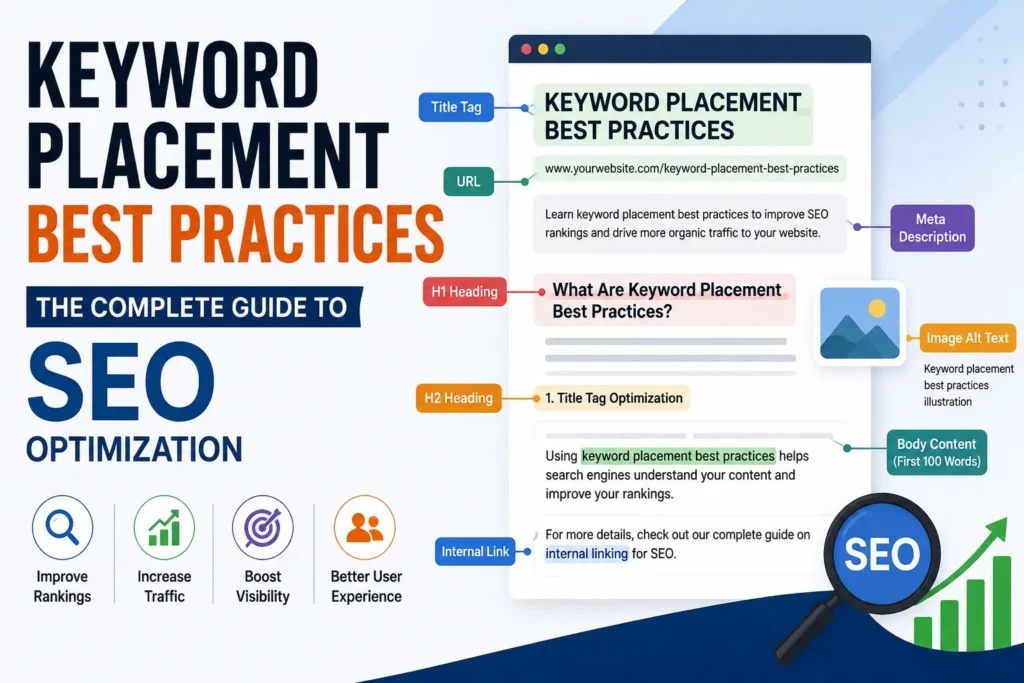
Keyword Placement Best Practices: The Complete Guide to SEO Optimization
3. Improve Content Strategy
Keyword research helps prioritize content creation.
Instead of publishing random articles, you can focus on topics with proven search demand.
A keyword-driven content strategy ensures every piece of content serves a purpose
 SEO
SEO
KR Krishna Kushwaha| Jun 03, 2026| 13 min read
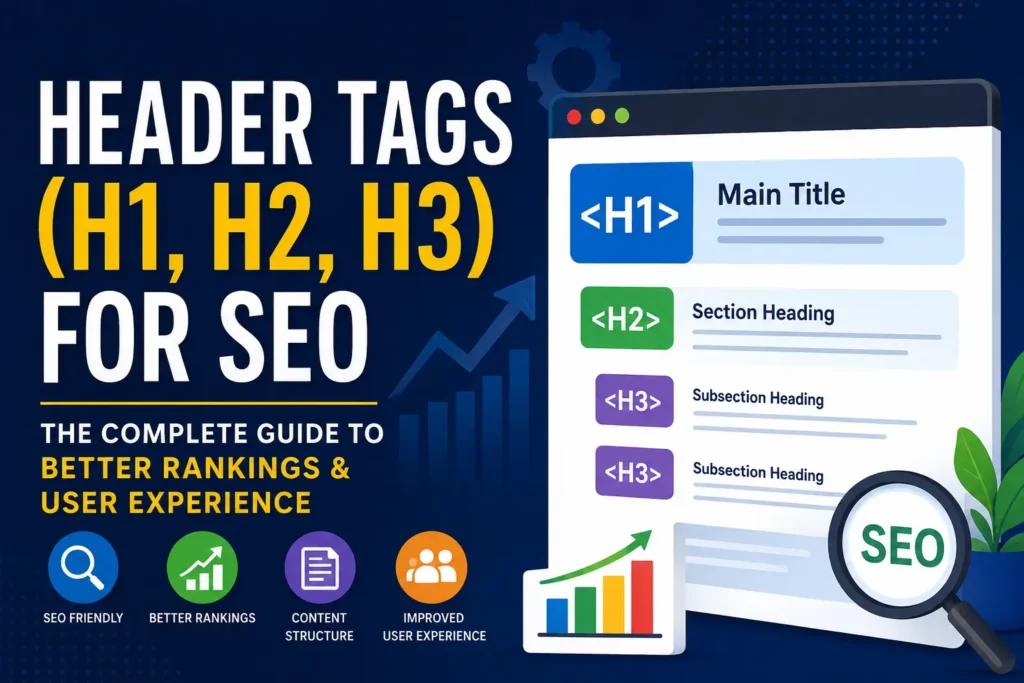
Header Tags (H1, H2, H3) for SEO: The Complete Guide to Better Rankings and User Experience
4. Identify Business Opportunities
Keyword research can uncover opportunities you may have overlooked.
For instance, an online store selling camping equipment might discover increasing searches for:
- Solar camping lanterns
- Lightweight backpacking tents
- Portable camping showers
These insights can influence product development and marketing decisions.
5. Gain Competitive Advantage
By analyzing competitor keywords, you can identify gaps in their strategy and create better content.
Many successful SEO campaigns start by understanding what competitors rank for and finding ways to outperform them.
Understanding Search Intent
One of the most important aspects of keyword research is understanding search intent.
Search intent refers to the reason behind a user’s search query.
Google aims to deliver results that best satisfy user intent.
There are four primary types of search intent.
1. Informational Intent
Users want information.
Examples:
- What is keyword research
- How does SEO work
- Benefits of content marketing
These searches often lead to blog posts, guides, and tutorials.
2. Navigational Intent
Users want to find a specific website or page.
Examples:
- Facebook login
- YouTube Studio
- Gmail sign in
Users already know where they want to go.
3. Commercial Intent
Users are researching before making a purchase.
Examples:
- Best laptops for students
- Ahrefs vs SEMrush
- Top CRM software
These keywords often convert well because users are evaluating options.
4. Transactional Intent
Users are ready to take action.
Examples:
- Buy running shoes online
- SEO services near me
- Order pizza delivery
These keywords often generate sales and leads.
Types of Keywords
Not all keywords are the same.
Understanding keyword categories helps build a balanced SEO strategy.
Short-Tail Keywords
Short-tail keywords usually contain one or two words.
Examples:
- SEO
- Marketing
- Fitness
Advantages:
- High search volume
Disadvantages:
- Extremely competitive
- Less specific
Long-Tail Keywords
Long-tail keywords contain three or more words.
Examples:
- Best SEO tools for beginners
- How to lose weight naturally
- Affordable web design services
Advantages:
- Lower competition
- Higher conversion rates
- Better user intent
Disadvantages:
- Lower search volume
Long-tail keywords are often easier to rank for.
Branded Keywords
These include brand names.
Examples:
- Nike shoes
- Apple iPhone
- Amazon Prime
They are valuable for businesses with established brand recognition.
Geo-Targeted Keywords
Location-specific keywords target local audiences.
Examples:
- Dentist in Chicago
- Best restaurants in New York
- SEO agency in London
These keywords are essential for local SEO.
Question Keywords
Users frequently search in question format.
Examples:
- What is keyword research?
- How does SEO work?
- Why is content marketing important?
These keywords are ideal for blog content and featured snippets.
Key Metrics in Keyword Research
To evaluate keywords effectively, marketers use several important metrics.
Search Volume
Search volume represents the average number of monthly searches for a keyword.
Higher search volume generally indicates greater demand.
However, high-volume keywords often have more competition.
Keyword Difficulty
Keyword difficulty measures how challenging it is to rank for a keyword.
Factors include:
- Competitor strength
- Number of backlinks
- Content quality
- Domain authority
Beginners should focus on lower-difficulty keywords first.
Cost Per Click (CPC)
CPC shows how much advertisers pay for clicks on a keyword.
A high CPC often indicates strong commercial value.
For example:
“Personal injury lawyer” may have a much higher CPC than “how to tie a tie.”
Search Intent
Always analyze intent before targeting a keyword.
A keyword may have thousands of searches, but if the intent doesn’t match your business goals, it may not be valuable.
Traffic Potential
Some keywords can lead users to multiple pages and generate recurring visits.
Focus on topics with broader traffic opportunities.
How to Conduct Keyword Research
Let’s walk through a step-by-step keyword research process.
Step 1: Define Your Goals
Start by identifying your objectives.
Examples:
- Increase website traffic
- Generate leads
- Boost sales
- Build brand awareness
Your goals influence keyword selection.
Step 2: Create Seed Keywords
Seed keywords are broad topics related to your niche.
For example, if you run a gardening blog:
Seed keywords may include:
- Gardening
- Plants
- Vegetables
- Composting
These become the foundation of your research.
Step 3: Use Keyword Research Tools
Keyword tools help expand your keyword list.
Popular options include:
- Google Keyword Planner
- Ahrefs
- SEMrush
- Ubersuggest
- Moz Keyword Explorer
- KeywordTool.io
These tools provide data on search volume, difficulty, and trends.
Step 4: Analyze Competitors
Study websites already ranking in your niche.
Look for:
- Their top-performing pages
- Keywords they rank for
- Content gaps
Competitor analysis often reveals valuable opportunities.
Step 5: Identify Long-Tail Keywords
Long-tail keywords frequently offer the best balance between traffic and competition.
For example:
Instead of targeting:
“SEO”
Target:
“SEO tips for small business websites”
The second keyword is more specific and easier to rank for.
Step 6: Evaluate Keyword Metrics
Assess:
- Search volume
- Difficulty
- Relevance
- Intent
- Business value
Choose keywords that align with your goals.
Step 7: Organize Keywords Into Clusters
Group related keywords together.
Example cluster:
Main keyword:
- Keyword research
Related keywords:
- Keyword research tools
- How to do keyword research
- SEO keyword analysis
- Keyword research strategy
This helps create comprehensive content.
Best Keyword Research Tools
Google Keyword Planner
A free tool designed for advertisers but useful for SEO research.
Features:
- Search volume data
- Keyword suggestions
- Competition estimates
Ahrefs
One of the most powerful SEO platforms.
Features:
- Keyword Explorer
- Competitor analysis
- Backlink tracking
- Content research
SEMrush
A comprehensive digital marketing suite.
Features:
- Keyword research
- Rank tracking
- Competitor insights
- Site audits
Ubersuggest
A beginner-friendly SEO tool.
Features:
- Keyword suggestions
- Search volume
- Content ideas
AnswerThePublic
Excellent for discovering questions people ask online.
Great for content ideation and blog topics.
Common Keyword Research Mistakes
Even experienced marketers make mistakes.
Avoid these common errors.
Focusing Only on Search Volume
High volume doesn’t always mean high value.
A keyword with lower volume but strong buyer intent may generate more conversions.
Ignoring Search Intent
Ranking for a keyword is meaningless if users aren’t interested in your offer.
Always align content with intent.
Targeting Extremely Competitive Keywords
New websites often struggle to rank for highly competitive terms.
Start with attainable opportunities.
Neglecting Long-Tail Keywords
Many websites overlook long-tail keywords despite their strong conversion potential.
Failing to Update Research
Search trends change constantly.
Regular keyword reviews help maintain SEO performance.
Keyword Research for Content Marketing
Keyword research and content marketing work together.
A strong content strategy begins with understanding what users search for.
Examples include:
Blog posts
- How-to guides
- Tutorials
- Checklists
- Industry insights
Video content
- Product reviews
- Educational videos
- Demonstrations
Lead generation content
- Case studies
- Whitepapers
- E-books
Keywords help determine which topics deserve attention.
Keyword Research for Local SEO
Local businesses rely heavily on location-based keywords.
Examples:
- Best coffee shop in Seattle
- Emergency plumber near me
- Wedding photographer in Miami
Optimize:
- Google Business Profile
- Location pages
- Local citations
- Customer reviews
This improves local search visibility.
The Future of Keyword Research
Keyword research continues to evolve.
Modern search engines increasingly focus on:
- Search intent
- Context
- Semantic relevance
- User experience
Google now understands topics better than ever.
This means SEO professionals should focus not only on keywords but also on comprehensive topic coverage.
Voice search, AI-powered search experiences, and conversational queries are reshaping how users search online.
As a result, content should answer questions naturally and thoroughly.
Advanced Keyword Research Strategies
For experienced marketers, advanced techniques can uncover hidden opportunities.
Topic Clustering
Build content around a central topic and supporting subtopics.
Competitor Gap Analysis
Identify keywords competitors rank for that your site doesn’t.
Seasonal Keyword Research
Target keywords that spike during certain periods.
Examples:
- Christmas gifts
- Black Friday deals
- Summer travel destinations
Trend Monitoring
Use trend analysis tools to discover emerging topics before competitors.
Conclusion
Keyword research is the backbone of every successful SEO strategy. It helps businesses understand their audience, create relevant content, improve search rankings, and drive targeted traffic.
Rather than guessing what people want, keyword research provides real data that guides decision-making. By understanding search intent, analyzing keyword metrics, and using the right tools, you can build a content strategy that consistently attracts visitors and converts them into customers.
Whether you’re a blogger, entrepreneur, marketer, or business owner, mastering keyword research is one of the most valuable SEO skills you can develop. The websites that dominate search results are rarely successful by accident—they succeed because they understand exactly what their audience is searching for and create content that fulfills those needs.
Start with the basics, focus on user intent, prioritize quality over quantity, and continually refine your strategy. Over time, effective keyword research can become a powerful engine for sustainable organic growth and long-term online succes
FAQs
Keyword research is the process of identifying and analyzing the words and phrases that people enter into search engines like Google, Bing, and YouTube. It helps website owners, bloggers, and businesses understand what their target audience is searching for online. By targeting relevant keywords in your content, you can improve your search engine rankings, attract more organic traffic, and reach potential customers who are actively looking for information, products, or services related to your niche.
Keyword research is important because it forms the foundation of a successful SEO strategy. Without understanding what users are searching for, it is difficult to create content that meets their needs. Effective keyword research helps increase website visibility, drive qualified traffic, improve content planning, and boost conversion rates. It also allows businesses to stay competitive by identifying market trends and customer interests.
To find the best keywords, start by identifying topics related to your business or niche. Use keyword research tools such as Google Keyword Planner, Ahrefs, SEMrush, Ubersuggest, or AnswerThePublic to discover keyword ideas. Analyze metrics like search volume, keyword difficulty, search intent, and competition. Focus on keywords that are relevant to your audience and align with your business goals.
Search intent refers to the reason behind a user’s search query. Understanding intent helps create content that matches user expectations. The four main types of search intent are:
Informational: Users seek information.
Navigational: Users want to visit a specific website.
Commercial: Users compare products or services before purchasing.
Transactional: Users are ready to take action or make a purchase.
Content that aligns with search intent generally performs better in search engine rankings.
Long-tail keywords are highly specific search phrases that usually contain three or more words. Although they have lower search volumes than broad keywords, they often attract highly targeted visitors and have lower competition. Long-tail keywords tend to generate higher conversion rates because they reflect more specific user needs and intentions.
Leave a Reply