
Introduction
Search Engine Optimization (SEO) is one of the most effective ways to attract visitors to your website. However, ranking for highly competitive keywords can be difficult, especially for new websites and small businesses. This is where long-tail keywords become a powerful SEO strategy.
Long-tail keywords are longer, more specific search phrases that users enter into search engines when they are looking for precise information, products, or services. While these keywords generally have lower search volume compared to broad keywords, they often deliver higher conversion rates because they match user intent more accurately.
For example, instead of searching for “shoes,” a user might search for “best running shoes for flat feet women.” The second search query is much more specific and reveals exactly what the user wants.
In this comprehensive guide, you’ll learn everything about long-tail keywords, why they matter, how to find them, and how to use them effectively to improve rankings, traffic, and conversions.
What Are Long-Tail Keywords?
Long-tail keywords are search phrases that typically contain three or more words and target a specific search intent.
These keywords are called “long-tail” because they come from the long tail of the search demand curve. While a few broad keywords receive massive search volumes, millions of specific search queries collectively account for a large percentage of all searches.
Examples
Short-Tail Keyword
- SEO
Medium-Tail Keyword
- SEO tips
Long-Tail Keyword
- SEO tips for small business websites
Another example:
Short-Tail
- Laptop
Medium-Tail
- Gaming laptop
Long-Tail
- Best gaming laptop under $1000 for students
The longer keyword may receive fewer monthly searches, but it is easier to rank for and more likely to convert visitors into customers.
 SEO
SEO
KR Krishna Kushwaha| Jun 03, 2026| 12 min read
The Ultimate Image SEO Optimization Guide (2026): How to Rank Images Higher and Drive More Organic Traffic
Why Long-Tail Keywords Matter
Many website owners focus only on high-volume keywords. However, this approach often leads to frustration because competitive keywords are dominated by large brands and authoritative websites.
Long-tail keywords provide several advantages.
Lower Competition
Since long-tail keywords are highly specific, fewer websites target them directly.
For example:
- “Digital marketing” is extremely competitive.
- “Digital marketing strategies for local restaurants” has much lower competition.
This makes ranking easier, especially for new websites.
Higher Conversion Rates
People using long-tail keywords often know exactly what they want.
Examples:
- “Shoes” → browsing stage.
- “Buy waterproof hiking shoes size 10” → purchase stage.
Specific searches often indicate stronger buying intent.
Better User Intent Matching
Search engines aim to deliver the most relevant results.
Long-tail keywords help content creators match search intent precisely, improving both rankings and user satisfaction.
Increased Organic Traffic
A website may rank for hundreds or thousands of long-tail keywords simultaneously.
Even if each keyword generates only a small amount of traffic, together they can produce substantial organic growth.
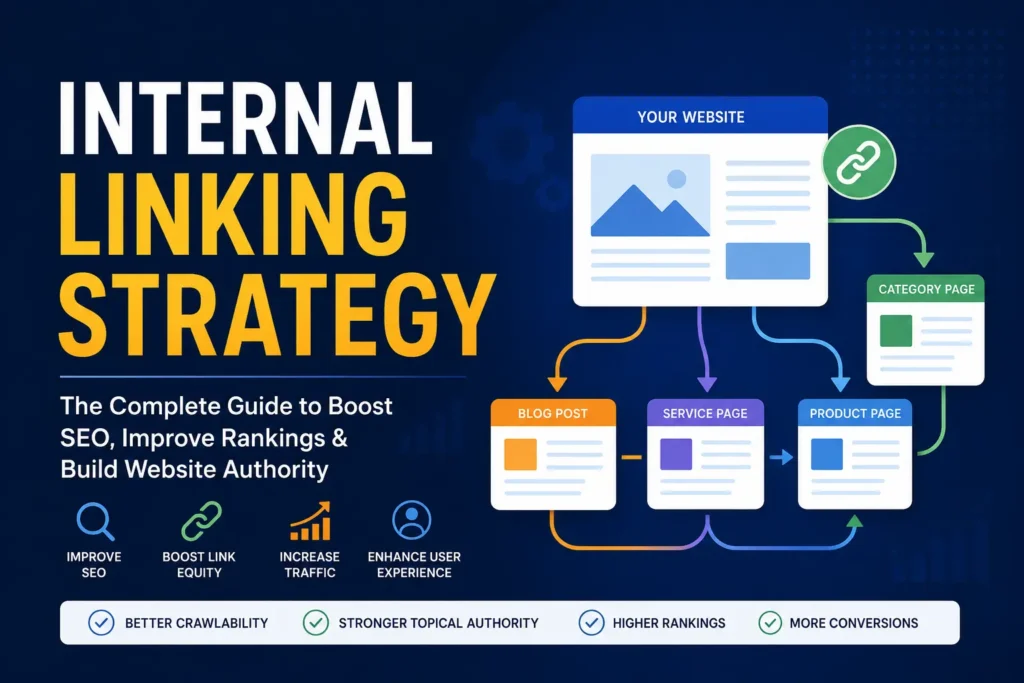 SEO
SEO
KR Krishna Kushwaha| Jun 03, 2026| 13 min read
Internal Linking Strategy
Understanding Search Intent
Before targeting long-tail keywords, it’s essential to understand search intent.
Search intent refers to the reason behind a search query.
Informational Intent
Users want information.
Examples:
- What are long-tail keywords
- How SEO works
- Benefits of content marketing
Navigational Intent
Users want a specific website.
Examples:
- YouTube login
- Facebook homepage
- Gmail account
Commercial Intent
Users are researching before making a purchase.
Examples:
- Best DSLR camera for beginners
- Top SEO tools comparison
- Affordable web hosting reviews
Transactional Intent
Users are ready to buy.
Examples:
- Buy wireless headphones online
- Order pizza near me
- Subscribe to SEO software
Long-tail keywords help capture each type of search intent more effectively.
 SEO
SEO
KR Krishna Kushwaha| Jun 02, 2026| 8 min read
SEO-Friendly URL Structure
The Long-Tail Keyword Curve
The search demand curve consists of three sections:
Head Keywords
Very broad searches with huge volume.
Examples:
- Insurance
- SEO
- Travel
Advantages:
- High traffic potential
Disadvantages:
- Extremely competitive
- Difficult to rank
Body Keywords
Moderately specific phrases.
Examples:
- SEO tools
- Travel destinations
- Home insurance plans
Advantages:
- Balanced competition
Disadvantages:
- Still competitive
Long-Tail Keywords
Highly specific phrases.
Examples:
- Best SEO tools for bloggers
- Family travel destinations in Europe
- Affordable home insurance for seniors
Advantages:
- Easier rankings
- Higher conversions
- Better targeting
Benefits of Long-Tail Keywords for SEO
Faster Rankings
New websites often struggle against established competitors.
Long-tail keywords provide opportunities to gain rankings faster because competition is lower.
Better Content Relevance
Specific keywords allow you to create focused content.
Focused content improves:
- User experience
- Dwell time
- Engagement
- Search rankings
Voice Search Optimization
Voice searches are becoming increasingly common.
People speak naturally when using voice assistants.
Examples:
- “What’s the best Italian restaurant near me?”
- “How do I improve website SEO?”
These conversational phrases are naturally long-tail keywords.
Featured Snippet Opportunities
Google often selects detailed answers for featured snippets.
Long-tail keyword content frequently appears in these prominent positions.
Improved ROI
Businesses can attract highly targeted visitors who are more likely to convert, leading to a better return on investment.
 SEO
SEO
KR Krishna Kushwaha| Jun 02, 2026| 8 min read
How to Optimize Title Tags
How to Find Long-Tail Keywords
Finding the right keywords is essential for SEO success.
Google Autocomplete
Start typing a phrase into Google.
Google automatically suggests popular searches.
Example:
Typing:
- “keyword research”
Suggestions:
- keyword research for beginners
- keyword research tools
- keyword research strategies
These suggestions often contain valuable long-tail opportunities.
People Also Ask
Google’s “People Also Ask” section provides related questions users commonly search.
Examples:
- What are long-tail keywords?
- Why are long-tail keywords important?
- How do I find long-tail keywords?
These questions can become blog topics.
Related Searches
At the bottom of search results, Google displays related searches.
These provide additional keyword ideas based on real user behavior.
Keyword Research Tools
Popular tools include:
- Google Keyword Planner
- Ahrefs
- SEMrush
- Ubersuggest
- Moz Keyword Explorer
These platforms provide:
- Search volume
- Keyword difficulty
- Related keywords
- Competitive analysis
Online Forums
Communities reveal real user questions.
Examples:
- Quora
- Niche forums
Users often phrase questions naturally, creating excellent long-tail keyword opportunities.
Customer Questions
Review:
- Customer emails
- Support tickets
- Sales inquiries
- Social media comments
Common questions often translate directly into valuable keywords.
How to Analyze Long-Tail Keywords
Not all keywords are worth targeting.
Consider the following metrics.
Search Volume
Ensure enough searches exist to justify creating content.
Even low-volume keywords can be valuable if they convert well.
Keyword Difficulty
Evaluate competition levels.
Lower difficulty often means easier rankings.
Search Intent
The keyword should align with your content goals.
Relevance
Choose keywords closely related to your products, services, or expertise.
Conversion Potential
Some keywords attract buyers while others attract casual readers.
Prioritize keywords that support business objectives.
How to Use Long-Tail Keywords in Content
Finding keywords is only the beginning.
You must use them strategically.
Title Tag
Include the primary long-tail keyword naturally.
Example:
“Long-Tail Keywords Explained: Complete SEO Guide”
Meta Description
Mention the keyword while encouraging clicks.
Example:
“Learn how long-tail keywords improve SEO rankings, drive targeted traffic, and increase conversions.”
URL Structure
Keep URLs simple.
Example:
yourwebsite.com/long-tail-keywords-guide
Headings
Use keywords in:
- H1
- H2
- H3
This improves content organization and relevance.
Introduction
Mention the keyword early in the article.
Search engines use introductory content to understand page topics.
Throughout the Content
Use keywords naturally.
Avoid keyword stuffing.
Instead:
- Use variations
- Include synonyms
- Write for readers first
Image Optimization
Optimize:
- File names
- Alt text
- Captions
Example:
long-tail-keywords-example.jpg
Alt text:
“Example of long-tail keyword research”
Long-Tail Keywords vs Short-Tail Keywords
| Feature | Short-Tail | Long-Tail |
|---|---|---|
| Length | 1-2 words | 3+ words |
| Search Volume | High | Lower |
| Competition | High | Lower |
| Conversion Rate | Lower | Higher |
| User Intent | Broad | Specific |
| Ranking Difficulty | Hard | Easier |
A balanced SEO strategy should include both types.
Common Long-Tail Keyword Mistakes
Ignoring Search Intent
Targeting keywords without understanding user goals leads to poor results.
Keyword Stuffing
Overusing keywords hurts readability and may negatively impact rankings.
Choosing Extremely Low-Value Keywords
Not every keyword is worth targeting.
Focus on relevance and business value.
Creating Thin Content
Long-tail keywords still require high-quality content.
Provide complete answers.
Neglecting Internal Linking
Link related articles together.
Internal links help distribute authority and improve navigation.
Long-Tail Keywords for Different Industries
E-commerce
Examples:
- Best wireless earbuds under $100
- Organic skincare products for sensitive skin
Blogging
Examples:
- How to start a travel blog
- Blogging tips for beginners
Local SEO
Examples:
- Best dentist in Chicago for braces
- Affordable plumber near downtown Houston
SaaS
Examples:
- CRM software for small businesses
- Project management software for remote teams
Healthcare
Examples:
- Natural remedies for seasonal allergies
- Symptoms of vitamin D deficiency in adults
Long-Tail Keywords and Content Clusters
Modern SEO often uses content clusters.
A cluster consists of:
Pillar Page
Broad topic.
Example:
- Keyword Research Guide
Cluster Pages
Specific topics.
Examples:
- Long-tail keyword research
- Keyword difficulty explained
- Search intent guide
- Keyword mapping strategies
This structure improves topical authority.
AI and Long-Tail Keywords
Artificial Intelligence is changing search behavior.
AI-powered search engines increasingly prioritize:
- User intent
- Context
- Semantic relevance
Long-tail keywords naturally align with these trends because they provide more context.
Future SEO success will depend on understanding topics rather than focusing solely on individual keywords.
Measuring Success
Track keyword performance using analytics tools.
Monitor:
Organic Traffic
Measure traffic growth from search engines.
Keyword Rankings
Track positions for target keywords.
Click-Through Rate (CTR)
Evaluate how many users click your result.
Bounce Rate
Analyze user engagement.
Conversion Rate
Measure leads, sales, and other business outcomes.
Future of Long-Tail Keywords
Search behavior continues evolving.
Key trends include:
- Voice search growth
- AI-powered search engines
- Conversational queries
- Personalized search experiences
Long-tail keywords will become even more important because they closely match natural language searches.
Businesses that understand and implement long-tail keyword strategies will continue gaining competitive advantages in organic search.
Conclusion
Long-tail keywords are one of the most powerful tools in modern SEO. While they may attract fewer searches individually, they offer lower competition, stronger search intent, higher conversion rates, and faster ranking opportunities.
Instead of chasing only broad, competitive keywords, successful SEO strategies focus on capturing targeted traffic through hundreds or even thousands of long-tail keyword variations.
By understanding user intent, conducting thorough keyword research, creating valuable content, and optimizing pages correctly, businesses can build sustainable organic traffic and improve search engine visibility over time.
Whether you operate a blog, e-commerce store, local business, or SaaS company, incorporating long-tail keywords into your SEO strategy can significantly improve your chances of attracting the right audience and achieving long-term online success
FAQs
Long-tail keywords are search phrases that contain three or more words and are highly specific to a user’s search intent. Unlike broad keywords such as “SEO” or “shoes,” long-tail keywords provide more detail, such as “best SEO tools for small businesses” or “running shoes for flat feet women.” These keywords typically have lower search volume but higher conversion potential because they target users who know exactly what they are looking for. Long-tail keywords help websites attract qualified traffic, improve search rankings, and increase conversions by matching user intent more accurately.
Long-tail keywords are important because they are generally less competitive than short-tail keywords. New websites and small businesses often struggle to rank for highly competitive terms, but long-tail keywords offer an opportunity to gain visibility in search results more quickly. They also help attract visitors who are closer to making a purchasing decision or taking a specific action. By targeting long-tail keywords, businesses can improve organic traffic quality, increase engagement, and achieve better conversion rates while building topical authority within their niche.
There are several ways to find long-tail keywords. Google Autocomplete is one of the easiest methods because it shows popular searches as you type. The “People Also Ask” section and related searches at the bottom of Google’s search results can also provide valuable keyword ideas. Additionally, keyword research tools such as Google Keyword Planner, Ahrefs, SEMrush, Ubersuggest, and Moz Keyword Explorer can help identify search volume, keyword difficulty, and related keyword opportunities. Online communities like Reddit, Quora, and industry forums are also excellent sources for discovering real user questions and search phrases.
Yes, most long-tail keywords have lower individual search volumes compared to broad keywords. However, they often generate more targeted traffic and better conversion rates. While a broad keyword might receive thousands of searches per month, it can be highly competitive and less specific. A long-tail keyword may receive only a few hundred searches monthly, but the visitors arriving from that search are often more interested in the topic, product, or service being offered. When multiple long-tail keywords are targeted together, they can drive significant organic traffic.
Long-tail keywords should be incorporated naturally throughout your content. Include the primary keyword in the title tag, meta description, URL, H1 heading, introduction, and relevant subheadings. Use keyword variations and related terms throughout the article to improve topical relevance. Avoid keyword stuffing, as this can negatively affect readability and SEO performance. Focus on creating valuable, informative content that fully answers the user’s query. Search engines prioritize content that provides a great user experience, so always write for readers first and optimize for search engines second.
Leave a Reply