
Introduction
Creating content is no longer enough in today’s highly competitive digital landscape. Millions of blog posts, videos, social media updates, and web pages are published daily, making it increasingly difficult for businesses and content creators to stand out. This is where content optimization becomes essential.
Content optimization is the process of improving content to increase its visibility in search engines, enhance user experience, boost engagement, and drive desired actions from readers. Whether you’re a blogger, marketer, entrepreneur, or business owner, understanding content optimization techniques can significantly impact your online success.
Optimized content not only ranks higher in search engine results but also provides value to users, encourages interaction, and contributes to business goals. This guide explores the most effective content optimization techniques that can help transform ordinary content into a powerful marketing asset.
What is Content Optimization?
Content optimization refers to the strategic improvement of digital content to make it more relevant, discoverable, engaging, and effective. It involves refining various elements such as keywords, structure, readability, multimedia, internal linking, user intent alignment, and technical SEO factors.
The primary objectives of content optimization include:
- Improving search engine rankings
- Increasing organic traffic
- Enhancing user experience
- Boosting engagement metrics
- Generating leads and conversions
- Strengthening brand authority
- Increasing content lifespan
Content optimization is not a one-time activity but an ongoing process that evolves with changing search algorithms, audience behavior, and industry trends
 SEO
SEO
KR Krishna Kushwaha| Jun 03, 2026| 12 min read
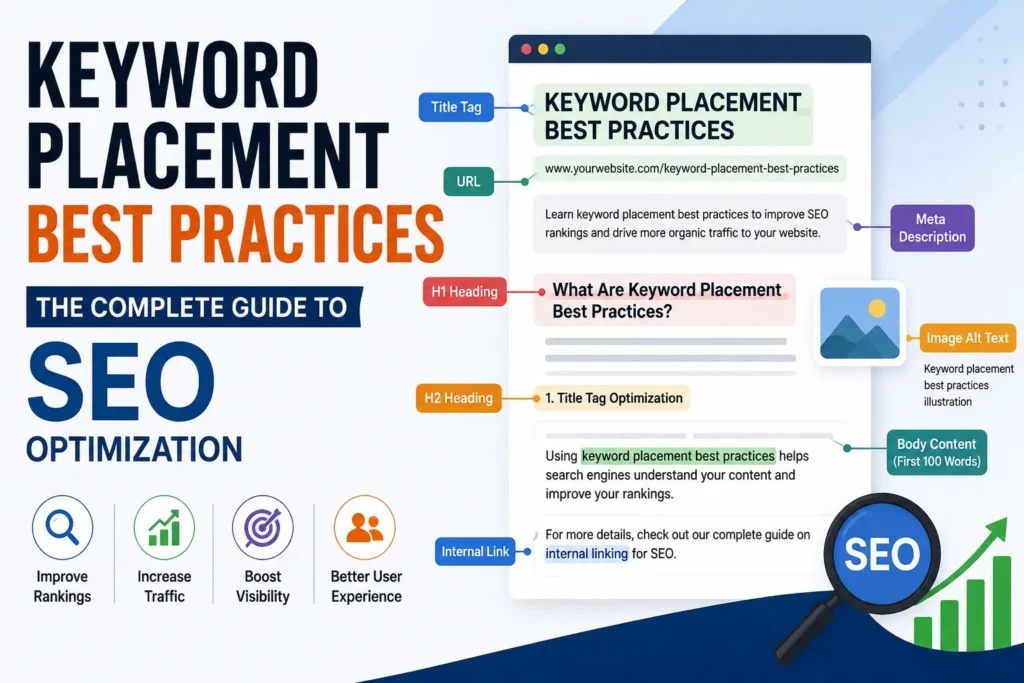
Keyword Placement Best Practices: The Complete Guide to SEO Optimization
Why Content Optimization Matters
Improved Search Visibility
Search engines prioritize content that is relevant, authoritative, and user-friendly. Optimized content has a greater chance of appearing on the first page of search results, increasing visibility and traffic.
Better User Experience
Well-optimized content is easier to read, navigate, and understand. Users are more likely to stay longer on pages that provide clear information and a smooth experience.
Higher Conversion Rates
Optimized content guides users through the customer journey effectively, increasing the likelihood of conversions, whether that means making a purchase, subscribing to a newsletter, or requesting a consultation.
Long-Term ROI
Unlike paid advertising, optimized content can continue generating traffic and leads for months or even years after publication
 SEO
SEO
KR Krishna Kushwaha| Jun 03, 2026| 13 min read
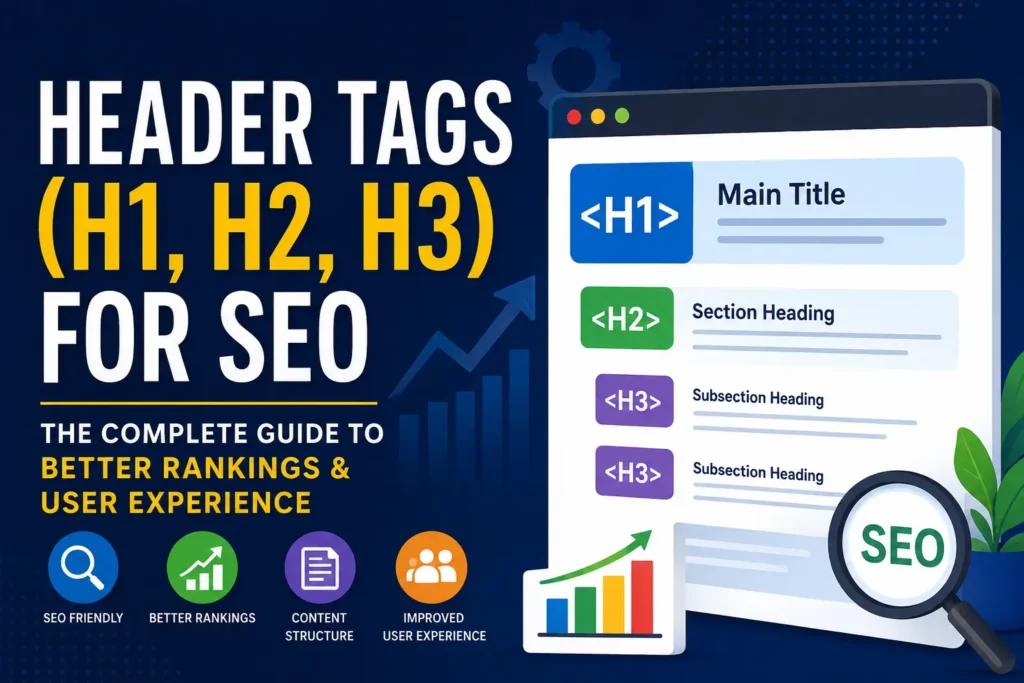
Header Tags (H1, H2, H3) for SEO: The Complete Guide to Better Rankings and User Experience
Understanding Search Intent
One of the most critical aspects of content optimization is understanding user intent.
Search intent refers to the reason behind a user’s search query. Modern search engines focus heavily on delivering results that satisfy user intent rather than simply matching keywords.
There are four primary types of search intent:
Informational Intent
Users seek information or answers.
Examples:
- What is content optimization?
- How does SEO work?
Navigational Intent
Users want to find a specific website or page.
Examples:
- HubSpot blog
- Google Analytics login
Transactional Intent
Users are ready to make a purchase or complete an action.
Examples:
- Buy SEO software
- Best content optimization tool
Commercial Investigation
Users are researching products or services before purchasing.
Examples:
- Ahrefs vs SEMrush
- Best content marketing platforms
Creating content that aligns with user intent significantly improves ranking potential and user satisfaction
 SEO
SEO
KR Krishna Kushwaha| Jun 03, 2026| 12 min read
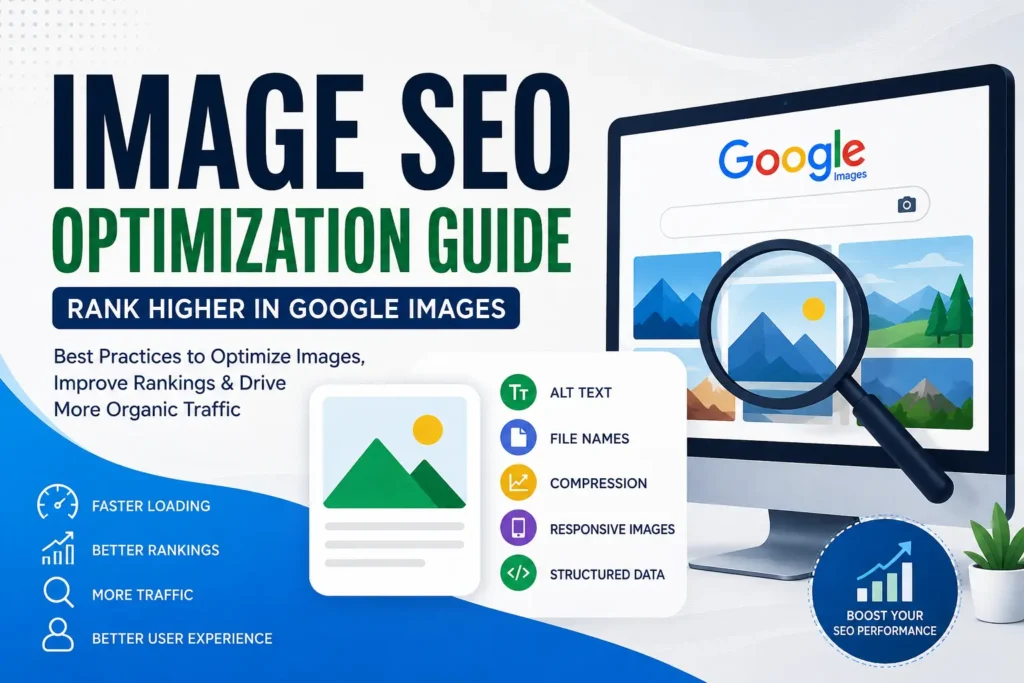
The Ultimate Image SEO Optimization Guide (2026): How to Rank Images Higher and Drive More Organic Traffic
Keyword Optimization Techniques
Keywords remain fundamental to content optimization.
Conduct Thorough Keyword Research
Use keyword research tools to identify:
- High-volume keywords
- Long-tail keywords
- Question-based keywords
- Low-competition opportunities
- Trending search terms
Focus on keywords that align with your audience’s needs and business objectives.
Use Primary Keywords Strategically
Place your primary keyword in:
- Title tag
- Main headline (H1)
- Introduction
- URL
- Meta description
- Subheadings where relevant
- Conclusion
Avoid excessive repetition, which can result in keyword stuffing.
Incorporate Semantic Keywords
Search engines understand context better than ever. Include related phrases and synonyms naturally throughout the content.
For example, an article about content optimization might also mention:
- SEO content
- Search visibility
- Organic traffic
- Content strategy
- User experience
Semantic relevance helps search engines understand the topic comprehensively.
 SEO
SEO
KR Krishna Kushwaha| Jun 03, 2026| 13 min read
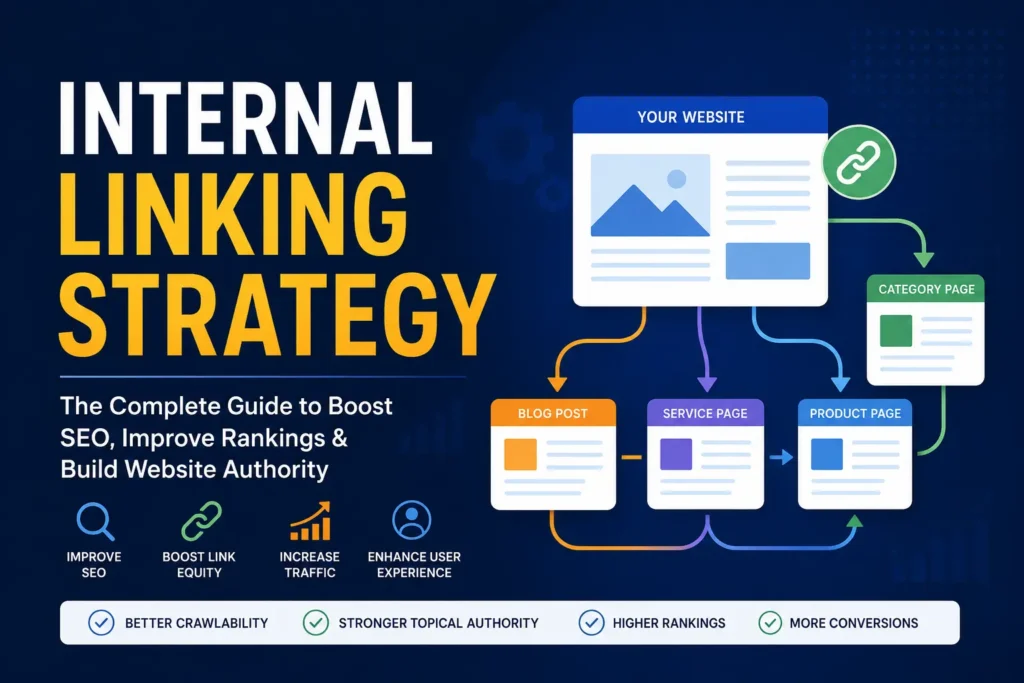
Internal Linking Strategy
Creating High-Quality Content
Quality remains the foundation of successful content optimization.
Provide Comprehensive Information
Thorough content tends to perform better because it answers user questions more completely.
Aim to:
- Cover topics in depth
- Address common concerns
- Include practical examples
- Offer actionable advice
Demonstrate Expertise
Readers and search engines prefer content from credible sources.
Ways to demonstrate expertise:
- Share industry insights
- Use accurate data
- Cite reputable sources
- Include real-world examples
- Offer unique perspectives
Maintain Originality
Duplicate or heavily copied content can negatively impact rankings and credibility.
Focus on:
- Original research
- Personal experiences
- Unique viewpoints
- Updated information
Optimizing Content Structure
A well-structured article improves readability and engagement.
Use Clear Headings and Subheadings
Headings help users scan content quickly and improve content organization.
Recommended hierarchy:
- H1 for title
- H2 for major sections
- H3 for subsections
- H4 when necessary
Keep Paragraphs Short
Large text blocks can overwhelm readers.
Best practices:
- 2–4 sentences per paragraph
- Plenty of white space
- Clear transitions
Use Lists and Bullet Points
Lists improve readability and help readers absorb information quickly.
Benefits include:
- Easier scanning
- Better organization
- Increased engagement
On-Page SEO Optimization
On-page SEO plays a significant role in content performance.
Optimize Title Tags
An effective title tag should:
- Include the target keyword
- Be compelling
- Stay within recommended length limits
- Encourage clicks
Example:
“15 Content Optimization Techniques to Improve SEO and Conversions”
Write Compelling Meta Descriptions
Meta descriptions influence click-through rates.
A strong meta description should:
- Summarize content
- Include keywords
- Encourage action
Optimize URLs
Good URLs are:
- Short
- Descriptive
- Keyword-rich
- Easy to understand
Example:
example.com/content-optimization-techniques
Improving Readability
Content must be easy to consume.
Write in Simple Language
Avoid unnecessary jargon unless writing for a highly specialized audience.
Use:
- Clear vocabulary
- Active voice
- Direct communication
Improve Sentence Variety
Mix short and long sentences to create a natural reading flow.
Use Readability Tools
Tools can help identify:
- Complex sentences
- Passive voice
- Difficult vocabulary
Higher readability often leads to better engagement.
Internal Linking Strategies
Internal links help both users and search engines navigate your website.
Benefits include:
- Improved crawling
- Better content discovery
- Increased page authority distribution
- Enhanced user experience
Best Practices
Link to:
- Relevant articles
- Product pages
- Service pages
- Related resources
Use descriptive anchor text that accurately reflects the destination content.
External Linking Best Practices
External links add credibility when used appropriately.
Link to:
- Research studies
- Industry reports
- Government resources
- Trusted publications
Benefits include:
- Supporting claims
- Improving trustworthiness
- Enhancing content quality
Always ensure linked sources are reputable and up to date.
Image Optimization Techniques
Visual content plays a major role in user engagement.
Use High-Quality Images
Images should:
- Be relevant
- Be professional
- Support content objectives
Optimize File Size
Large images can slow page loading speed.
Compression helps:
- Improve performance
- Reduce bounce rates
- Enhance user experience
Add Alt Text
Alt text:
- Improves accessibility
- Supports image SEO
- Helps search engines understand visuals
Use descriptive and keyword-relevant alt text where appropriate.
Multimedia Content Optimization
Modern audiences consume content in different formats.
Incorporate Videos
Videos can:
- Increase engagement
- Improve dwell time
- Explain complex concepts
Use Infographics
Infographics simplify data visualization and encourage sharing.
Add Interactive Elements
Examples include:
- Calculators
- Quizzes
- Surveys
- Interactive charts
Interactive content often generates higher engagement levels.
Mobile Optimization
Mobile devices account for a significant portion of web traffic.
Ensure Responsive Design
Content should display properly on:
- Smartphones
- Tablets
- Desktops
Improve Mobile Readability
Use:
- Larger fonts
- Adequate spacing
- Responsive images
Simplify Navigation
Mobile users expect intuitive navigation and quick access to information.
Page Speed Optimization
Page speed influences both user experience and SEO.
Reduce File Sizes
Optimize:
- Images
- Videos
- Scripts
Enable Caching
Caching improves load times for returning visitors.
Minimize Code
Remove unnecessary:
- CSS
- JavaScript
- HTML elements
Faster websites generally achieve better engagement and conversion rates.
Featured Snippet Optimization
Featured snippets appear at the top of search results and can dramatically increase visibility.
Structure Content for Snippets
Use:
- Question-based headings
- Concise answers
- Lists
- Tables
Provide Direct Answers
Offer a clear answer immediately after the question heading.
Example:
“What is content optimization?”
Content optimization is the process of improving digital content to increase visibility, engagement, and conversions.
Content Freshness and Updates
Search engines favor current and relevant information.
Update Existing Content
Regularly review content for:
- Accuracy
- New statistics
- Industry changes
- Emerging trends
Refresh Outdated Examples
Replace old references with recent examples and case studies.
Expand High-Performing Articles
Adding new sections can improve rankings and maintain relevance.
User Engagement Optimization
Engagement metrics influence content performance.
Encourage Comments
Ask questions and invite discussion.
Use Clear Calls-to-Action
Examples:
- Subscribe to our newsletter
- Download the guide
- Request a consultation
Add Social Sharing Options
Make it easy for readers to share content across platforms.
Content Personalization
Personalized experiences improve user satisfaction.
Strategies include:
- Dynamic content recommendations
- Audience segmentation
- Personalized email content
- Behavioral targeting
Personalization increases relevance and engagement.
Leveraging Data and Analytics
Optimization should be driven by data.
Monitor Key Metrics
Track:
- Organic traffic
- Bounce rate
- Time on page
- Conversion rate
- Click-through rate
Use Heatmaps
Heatmaps reveal how users interact with content.
Conduct A/B Testing
Test different:
- Headlines
- CTAs
- Layouts
- Images
Continuous testing helps identify what works best.
Voice Search Optimization
Voice search continues to grow with smart assistants.
Focus on Conversational Keywords
People speak differently than they type.
Example:
Typed search:
“content optimization techniques”
Voice search:
“What are the best content optimization techniques?”
Answer Questions Naturally
Use FAQ sections and conversational language.
AI and Content Optimization
Artificial intelligence is transforming content optimization.
AI tools can assist with:
- Keyword research
- Content analysis
- Topic generation
- Optimization recommendations
- Performance forecasting
However, human creativity and expertise remain essential for producing valuable content.
Common Content Optimization Mistakes
Avoid these frequent errors:
Keyword Stuffing
Overusing keywords reduces readability and may hurt rankings.
Ignoring User Intent
Content that fails to meet user expectations often performs poorly.
Neglecting Mobile Users
Poor mobile experiences lead to lost traffic and conversions.
Weak Headlines
Uninspiring headlines reduce click-through rates.
Failing to Update Content
Outdated content gradually loses relevance and rankings.
Future Trends in Content Optimization
The future of content optimization will likely include:
- Greater AI integration
- Enhanced personalization
- Voice search growth
- Visual search adoption
- Experience-focused SEO
- Predictive analytics
- Interactive content expansion
Organizations that adapt to these trends will gain a competitive advantage.
Conclusion
Content optimization is far more than adding keywords to an article. It involves a comprehensive approach that combines SEO best practices, user experience improvements, high-quality content creation, technical enhancements, and ongoing performance analysis.
Successful content optimization begins with understanding audience needs and search intent. From there, businesses must focus on creating valuable content, structuring it effectively, optimizing for search engines, enhancing readability, improving page speed, and continuously monitoring results.
As digital competition continues to increase, optimized content becomes a crucial asset for attracting visitors, building trust, generating leads, and driving long-term business growth. By implementing the techniques discussed in this guide, organizations can significantly improve their online visibility and maximize the return on their content marketing efforts.
Content optimization is not a destination but an ongoing journey. The most successful brands continuously refine, test, and improve their content to meet evolving user expectations and search engine requirements. Those who commit to consistent optimization will be best positioned for sustainable digital success.
FAQs
Content optimization is the process of improving digital content to make it more valuable, discoverable, and engaging for users and search engines. It involves optimizing keywords, content structure, readability, metadata, images, internal links, and user experience to increase visibility and performance.
Content optimization helps search engines better understand your content and determine its relevance to user queries. Optimized content is more likely to rank higher in search engine results pages (SERPs), attract organic traffic, and generate leads or conversions.
Content should be reviewed and optimized regularly, ideally every 6 to 12 months. However, high-performing pages, competitive keywords, and industry-specific content may require more frequent updates to maintain rankings and relevance.
Some of the most effective content optimization techniques include keyword research, search intent analysis, title tag optimization, internal linking, image optimization, improving readability, enhancing page speed, and updating outdated information. Combining these strategies creates a stronger overall content performance.
SEO is a broader strategy focused on improving a website’s visibility in search engines, while content optimization is a specific part of SEO that focuses on improving the quality, relevance, and structure of content. Content optimization supports SEO goals by making content more useful and search-engine friendly.
Leave a Reply